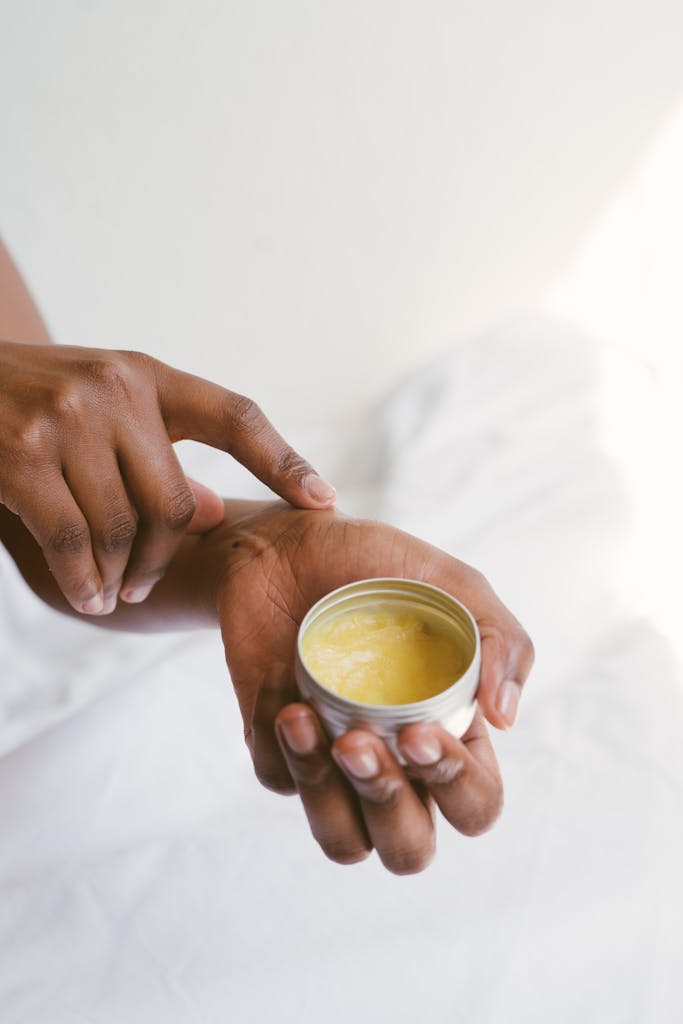
So, I just added this to our store! The 5000 CBD pain relief topical cream from Quiet Monk CBD, and its been wonderful. I suffer from muscle and joint discomfort quite often, and I’ve tried numerous pain relief creams with little success. But this CBD cream has really made a difference in my daily comfort levels. I know there are so many hemp creams out there, which we sell but trust me, this one is worth considering. Stick around, and I’ll tell you all about my experience with it.
Pros and Cons
What We Liked
The relief is fast and long-lasting. I’ve used it on my sore muscles, and the discomfort just melts away.
The scent is pleasant, not overpowering, and it doesn’t leave a greasy residue like some other creams do.
It’s multipurpose, so I’ve been using it on my feet and even for moisturizing. It’s been great for softening my skin.
The formula is potent and effective, enriched with arnica, turmeric, and other natural ingredients that really support joint and muscle comfort.
The cream has a soothing menthol effect that feels really refreshing on the skin, especially after a long day.
What Can Be Improved
The menthol scent might be too strong for some people, so it’s something to consider if you’re sensitive to strong smells.
The pain relief may not last as long for everyone, especially for chronic or severe conditions.
Quick Verdict
Overall, I’ve had a great experience with the Quiet Monk CBD 5000 cream. It’s been a game-changer for my muscle and joint discomfort, providing fast and long-lasting relief. The pleasant scent and multipurpose use have also been big pluses for me. If you’re looking for a potent and effective hemp cream to soothe your discomfort, I highly recommend giving this one a try.
Features – What We Found
Maximum Strength Cream
As someone who experiences muscle and joint discomfort, I appreciate the maximum strength formula of this hemp cream. It provides effective support for my joints, back, neck, hips, elbows, feet, hands, and fingers, allowing me to go about my day with less discomfort. Whether I use it on specific areas or apply it to my entire body, I can feel the soothing relief all day long.
Pro-tip: For targeted relief, massage the hemp cream into the specific areas of discomfort and allow it to fully absorb into the skin for best results.
Potent Formula Enriched with Natural Ingredients
What sets this hemp cream apart is its potent formula enriched with arnica, turmeric, and other natural and effective ingredients. This powerful blend not only supports comfortable daily activity and mobility but also lessens joint discomfort. If you’re looking for a natural way to soothe muscle and joint discomfort, this hemp cream is the perfect choice.
Long-Lasting Effect
The hemp active cream is formulated to provide long-lasting support, making it ideal for those who need relief throughout the day. It absorbs into the skin without leaving a slick sheen behind, making it convenient to use anytime, anywhere. With its beneficial blend for the skin and muscles, this hemp cream provides a lasting effect that keeps discomfort at bay.
Effective Formula for Athletes and Amateurs
As someone who leads an active lifestyle, I rely on this muscle cream with arnica to support my recovery after training. Whether you’re a professional athlete or an amateur, this hemp oil extract gel is perfect for bouncing back after a workout or simply enjoying a relaxing massage. Its all-day-long support and care make it a must-have for anyone with an active lifestyle.
Pro-tip: Apply the hemp cream before and after your workout for maximum benefit and relief.
Multipurpose Hemp Skin Cream
If you’re looking for a versatile skincare product, this natural CBD hemp cream is perfect for morning, night, and as frequently as needed. Not only does it support sore muscles, but it also helps soothe the skin, making it a multipurpose solution for your daily wellness routine.
Understanding the science behind how hemp cream supports sore muscles and soothes the skin can help you make the most of its benefits. The natural properties of hemp, combined with other ingredients, work together to provide comprehensive relief and care.
Review and Scores
Our Score: 85.0
Let me start by saying that this Natural Hemp Cream has been a game-changer for me. As someone who leads an active lifestyle, I often experience muscle and joint discomfort. After trying numerous OTC pain relief creams with minimal success, I was pleasantly surprised by the effectiveness of this hemp cream. The blend of hemp oil, arnica, turmeric, and menthol truly provides long-lasting relief. I’ve used it on my back, neck, and even my feet, and the results have been fantastic. If you’re someone who needs reliable muscle and joint support, I highly recommend giving this product a try. I’m thrilled with the relief it has provided and the impact it has had on my overall comfort and mobility.
The swiftness of relief is truly remarkable. Unlike other products I’ve tried, this hemp cream works quickly to alleviate discomfort, allowing me to remain productive throughout the day. Whether it’s after a strenuous workout or a long day of physical activity, this cream has become an essential part of my recovery routine. Additionally, the moisturizing effect of the cream has left my skin feeling soft and rejuvenated. The potent formula and long-lasting effect make this product stand out from the rest. It’s a versatile solution for anyone seeking reliable muscle and joint support.
Overall, I can confidently say that this Natural Hemp Cream has exceeded my expectations. Its effectiveness in providing relief for sore muscles and joints, along with its moisturizing benefits, make it a must-have for anyone seeking daily comfort and mobility. I’ve recommended it to friends and family, and the positive feedback speaks volumes. If you’re in search of a reliable and potent hemp cream that truly delivers on its promises, look no further than this product.
Wellness today is about more than single habits — it’s about how everything in your daily life connects. Your cannabis routine, your stress levels, your skincare, your self-care rituals, and the people you surround yourself with all influence how grounded, energized, and balanced you feel. At Willamette Weed Works, we see wellness as a whole-body experience: from supporting your endocannabinoid system with quality cannabis to helping you explore natural ways to calm the mind and nourish the body.
This article explores how cannabis fits into a modern wellness lifestyle, the benefits of intentional routines, and why conscious living is one of the most powerful tools you can give yourself. We’ll also introduce you to a unique creator in the wellness world — Tatiana The Sugar Mama, a guide to elevated skincare, rituals, and grounded feminine energy.
Wellness Isn’t a Trend — It’s a System That Works Together
The best wellness routines don’t feel forced. They fit naturally into your life and support you in feeling good from morning to night. Cannabis is a perfect example: when used intentionally, it helps regulate stress, support emotional balance, boost creativity, and contribute to deeper rest — all pillars of long-term well-being.
At Willamette Weed Works, we look at cannabis as part of a bigger picture, not a standalone product. When you combine it with gentle habits like better hydration, mindful breathing, simple mobility work, and nourishing skincare, you create a lifestyle that stays sustainable. You don’t need extremes. You just need consistency.
The Mind–Body Connection: Calm Mind, Better Choices
When you’re overwhelmed, you make rushed choices. When you’re grounded, you make deliberate ones.
Cannabis can support that grounded state by calming the nervous system and reducing the background tension you don’t even notice until it’s gone. Once your mind slows down, it becomes easier to:
Eat foods that truly fuel your body
Move more without battling internal resistance
Sleep deeper and wake up refreshed
Stay focused on projects that matter
Break old habits that drain your energy
Your wellness improves because your mindset improves. Cannabis isn’t the whole solution — but it’s a valuable tool for creating the conditions that let positive habits grow.
Making Cannabis Part of a Daily Ritual
Rituals don’t have to be complicated. In fact, simple ones work best.
Here are a few ways people incorporate cannabis into wellness routines without overusing it or relying on it to “fix” everything:
1. Morning Clarity Ritual
A microdose or gentle sativa cultivar paired with hydration and sunlight. This helps regulate circadian rhythms and encourages a calm, alert state for the day.
2. Afternoon Reset
A low-dose edible or tincture around mid-day helps ease work stress and prevents burnout, especially for people with high-pressure jobs.
3. Evening Downshift
Indica-forward blends, CBD-rich flower, or calming hybrid strains support the nervous system and prepare you for deep rest.
4. Rest + Repair Days
Topicals and CBD balms help with muscle soreness, skin recovery, and general tension. This is where the mind–body connection shows up physically.
The goal is not to depend on cannabis — it’s to integrate it into a lifestyle that already supports your wellness.
The Role of Skincare and Sensory Rituals in Wellness
A surprising piece of wellness people overlook is skincare and tactile self-care. Touch and scent have powerful effects on the nervous system. When you apply a soothing balm, lotion, or sugar scrub, you activate sensations that tell your body:
“You’re safe. Slow down.”
This is why many people combine cannabis use with warm showers, aromatherapy, body scrubs, or massage oils. These sensory rituals:
Lower cortisol
Improve mood
Help the body switch from fight-or-flight to rest-and-digest
One creator who deeply understands this connection is Tatiana The Sugar Mama, whose entire brand revolves around intentional body care, energetic alignment, and natural self-care rituals. Her work blends beauty, healing, and grounded femininity in a way that pairs perfectly with wellness-focused cannabis users.
(We’ll link to her site shortly.)
Nature-Based Wellness: Why It Works
Oregon’s culture already leans toward nature as medicine, and for good reason: nature restores balance.
Whether it’s cannabis grown with clean practices or a walk by the river, nature feeds a part of the brain modern life starves. The more we reconnect with the natural world, the more our body’s internal systems regulate themselves. This includes:
Endocannabinoid function
Hormonal balance
Sleep cycles
Mood stabilization
Immune support
Cannabis isn’t the only natural tool we have — but it’s one of the most powerful because it directly communicates with your internal regulation system.
Pairing this with other nature-based habits like grounding, herbal teas, essential oils, and mineral-rich skincare creates a loop of healing that works without forcing anything.
Living with Intention: The Heart of a Wellness Lifestyle
Intentional living is simply paying attention to how things make you feel — then choosing the ones that support you.
You don’t need a perfect routine. You just need awareness.
Cannabis helps many people create this awareness by slowing the mind enough to notice:
What brings peace
What triggers anxiety
What the body is asking for
What relationships feel draining
Where energy is leaking out
Which habits truly support growth
Once you see clearly, you can design your life around what you want more of — comfort, strength, creativity, confidence, connection.
Wellness becomes a lifestyle instead of a task list.
Where Feminine Wellness Meets Cannabis Culture
There is a growing movement in Oregon and beyond: women who use cannabis intentionally as part of their emotional, physical, and spiritual wellness.
This is where Tatiana The Sugar Mama becomes a natural fit for Willamette Weed Works readers.
Tatiana focuses on:
Skin nourishment
Natural sugar scrubs
Ritual-based self-care
Feminine energy healing
Emotional grounding
Crystal-infused creations
Moon-aligned rituals
Slow, soothing body-care experiences
She brings a grounded, sensual, ritual-filled approach to wellness that many women are craving today. Her philosophy complements the cannabis-based wellness lifestyle perfectly.
How Tatiana The Sugar Mama Elevates Your Self-Care Routine
If you love blending wellness, beauty, intention, and natural ingredients, you’ll want to explore TatianaTheSugarMama.com.
Her offerings pair exceptionally well with a cannabis-supported wellness routine:
Use a calming indica strain before a warm shower → apply her sugar scrubs slowly and intentionally
Combine a CBD topical with one of her ritual-based self-care nights
Pair her aromatherapy-style products with your evening cannabis wind-down
Blend her feminine-energy focus with your own wellness practices for emotional balance
Tatiana’s world is all about slowing down, nourishing your skin, activating your senses, and embracing confidence from the inside out.
As the cannabis community grows, one truth becomes clearer: people want wellness that feels personal, not generic.
They want routines that fit their lifestyle. They want products that feel intentional. They want rituals that bring real calm. They want creators, guides, and brands that support their journey.
Cannabis fits into this new wellness landscape seamlessly — especially when paired with skincare, sensory rituals, emotional grounding, and mindful living.
You don’t have to overhaul your life to feel better. You just have to connect the pieces that already support you.
Final Thoughts
Wellness isn’t one product, one habit, or one lifestyle. It’s a collection of choices that help you feel balanced, strong, and centered. At Willamette Weed Works, we believe cannabis deserves a place in that collection — not as a trend, but as a tool that supports real, lasting well-being.
And when you pair cannabis with intentional self-care and creators who embody grounded femininity and natural healing — like Tatiana The Sugar Mama — your wellness routine becomes something deeper, richer, and far more powerful.
Finding the right hand cream can change your skincare routine by providing comfort and protection for your hands. But what makes a hand cream effective?
This article discusses the key features of a good hand cream, from moisturizing abilities to formulas suited for sensitive skin. It also examines the different types of hand creams available and offers tips on selecting and applying the best one for your needs.
A good hand cream is crucial for any skincare routine, especially for hydrating and repairing dry skin during harsh winters.
The best formulas include nourishing ingredients like shea butter, glycerin, and aloe vera to improve skin health, texture, and provide lasting moisture.
It should also soften the skin with emollients and include soothing ingredients to reduce irritation.
A mix of natural oils and antioxidants helps protect against environmental damage, making the cream suitable for all skin types, including sensitive skin, and ensuring a positive user experience.
1. Hydrating And Moisturizing Properties
The hydrating and moisturizing effects of hand cream are important for keeping skin healthy, especially for those with dry or sensitive skin.
These effects not only provide daily comfort but also protect the skin from environmental factors and seasonal dryness. Ingredients like glycerin help retain moisture, while aloe vera soothes and aids in healing. This is particularly useful during colder months when dry air can worsen conditions like eczema or psoriasis.
Using a well-formulated hand cream regularly can significantly help prevent these issues and keep hands soft and supple throughout the year.
2. Non-greasy Formula
A non-greasy formula is essential in hand creams because it ensures a lightweight application without leaving a heavy residue on the skin.
This formulation allows for smooth application, letting users apply the cream and still engage in daily activities without worrying about slippery hands. These non-greasy textures absorb quickly, providing immediate hydration without stickiness, making them ideal for busy lifestyles.
Consistency testing ensures the cream maintains its lightweight feel in different climates and usage scenarios, promoting regular use. Ultimately, a comfortable and appealing texture enhances user satisfaction, turning daily hand care into a pleasant self-care routine.
3. Absorbs Quickly
Quick absorption is a key feature of an effective hand cream, allowing it to penetrate the skin quickly and improve hydration.
This fast moisture delivery leaves the skin feeling nourished without the greasy feel that heavier creams often leave behind. Active ingredients are important in this process; they hydrate and support skin repair and protection.
Users often prefer products that absorb quickly, as this suits the fast pace of modern life. Whether during a busy workday or between tasks at home, a fast-absorbing hand cream means less waiting and more time enjoying soft, smooth hands.
4. Long-lasting Effects
A quality hand cream offers long-lasting effects, ensuring hydration and skin repair continue all day.
This ongoing nourishment is vital for those whose hands often face harsh conditions like cold weather, dry air, or frequent washing.
Formulas rich in ingredients such as shea butter, glycerin, and essential oils provide immediate relief and improve the cream’s ability to protect and restore skin over time. These benefits help skin heal while maintaining moisture levels.
Users enjoy significant benefits as these creams form a barrier on the skin that locks in moisture, offering lasting relief throughout their busy days.
5. Suitable For Sensitive Skin
A good hand cream should be suitable for sensitive skin, being dermatologically tested to minimize the risk of irritation while providing effective hydration.
This is particularly important for individuals with skin prone to reactions from harsh chemicals or fragrances commonly found in many commercial products. Fragrance-free options are crucial as they significantly reduce the likelihood of allergic reactions and are often gentler on the skin.
Formulations specifically designed for sensitive skin include ingredients known for their soothing properties, such as shea butter and aloe vera, which promote both moisture and overall skin health.
By ensuring these products are dermatologically approved, consumers can confidently choose hand creams that hydrate, protect, and nourish their delicate skin without the worry of adverse effects.
6. Contains SPF
Adding SPF to hand creams offers important UV protection, which helps prevent sun-related skin issues and has anti-aging benefits.
This protection is important because our hands are often exposed to UV rays during everyday activities, which can cause premature aging and skin damage. Research shows that using SPF regularly can significantly lower the risk of hyperpigmentation and help maintain skin elasticity, noticeably improving the appearance of hands.
People who use SPF in their skincare routines often report better skin texture and fewer dark spots. By focusing on UV protection, individuals can improve their hand care routine, slow down the aging process, and keep their hands looking youthful.
What Are The Different Types Of Hand Creams?
Hand creams are available in different types, each designed to target specific skin needs and offer various textures and benefits.
1. Creams
Creams are popular hand products known for their rich texture that deeply hydrates the skin.
These creams are excellent at locking in moisture with their emollient properties, preventing water loss from the skin. This is especially beneficial for individuals with dry skin, as regular use can help restore the skin’s natural lipid barrier.
There are different ways to apply creams, such as gentle massaging to enhance absorption or wearing them under gloves overnight for added hydration. This flexibility makes them ideal for people with skin conditions like eczema or for those in colder climates where skin tends to dry out.
Busy professionals and active individuals may prefer creams for their easy application and long-lasting effects compared to lighter lotions.
2. Lotions
Lotions are light hand creams that absorb quickly, making them ideal for daily use.
They come in different consistencies, from silky to whipped textures, to suit various preferences and skin types. People with oily skin often prefer lighter formulas that don’t clog pores, while those with dry skin can benefit from richer lotions with hydrating ingredients.
Using lotions in your skincare routine can improve skin health and offer a soothing experience after a shower or during the day. With many options available, finding the right lotion can be a pleasant activity, helping you discover formulations that meet your specific needs and sensory preferences.
3. Ointments
Ointments form a protective layer on the skin, making them ideal for repair and long-lasting moisture, especially in harsh conditions.
Their oil-based formulation creates a strong barrier that seals in moisture and prevents water loss, making them effective for treating dry, cracked, or irritated skin.
Ointments are often preferred for skin issues like eczema or psoriasis, where deeper penetration and continuous moisture retention are important.
Their thick consistency means you need only a small amount for targeted application, making them a key part of comprehensive skincare routines.
4. Serums
Serums are a recent addition to hand care, designed with concentrated active ingredients for targeted treatment. Unlike traditional creams, these lightweight formulas absorb quickly and work for various skin types without leaving a greasy feel.
This fast absorption improves comfort and lets the ingredients effectively target issues like dryness, aging, and pigmentation. Many users find that serums can address multiple concerns at once because of their powerful mix of antioxidants, peptides, and hydrators.
By addressing specific skin needs, hand serums help everyone find a product that suits their concerns, leading to healthier and more youthful-looking skin.
5. Balms
Balms have a thick consistency and are designed for deep hydration and soothing effects, making them ideal for very dry or cracked skin.
These products often contain a mix of natural oils, waxes, and butters that work together to create a protective layer on the skin. Ingredients like shea butter, cocoa butter, or beeswax help lock in moisture and can ease symptoms of conditions like eczema and psoriasis.
They are especially useful in harsh weather, offering relief and protection against wind and cold. Suitable for all skin types, balms are often recommended for sensitive skin because of their gentle, nourishing properties.
How To Choose The Right Hand Cream For You?
Selecting the right hand cream requires considering your skin type, personal preferences, and specific skincare needs to ensure proper hydration and skin health.
1. Consider Your Skin Type
Understanding your skin type is essential for selecting the right hand cream, as different formulas are designed for dry, oily, and sensitive skin needs.
Identifying whether you have dry, oily, combination, or sensitive skin is important because each type reacts differently to various ingredients. For example, people with dry skin benefit from rich, emollient creams that provide long-lasting moisture, while those with oily skin should choose lighter, non-comedogenic options that won’t clog pores.
Sensitive skin may need creams with calming ingredients like aloe vera or chamomile to prevent irritation. To determine your skin type, observe how your skin feels throughout the day and consider changes from environmental factors.
By understanding these details, you can choose a hand cream that works best for you.
2. Look For Specific Ingredients
When choosing hand cream, it’s important to find ingredients that meet your skin’s specific needs, such as antioxidants or natural oils.
Antioxidants help neutralize free radicals and protect the skin from environmental damage, keeping hands youthful and resilient. Natural oils like jojoba and almond oil provide deep hydration and support the skin’s natural barrier.
Emollients soften and smooth the skin, making them ideal for combating dryness or rough texture. To choose the best product, check ingredient labels to ensure the cream not only feels good but also effectively nourishes and protects your skin.
3. Consider Your Daily Activities
Think about your daily activities when selecting a hand cream, as this can determine the best formulation for your needs.
If you work in an office, you might prefer a lightweight, non-greasy cream that absorbs quickly, so you can type without leaving residue on your hands.
On the other hand, if you spend time outdoors or work with your hands, you might need a richer, more hydrating cream to combat dryness and protect against environmental conditions.
In these cases, creams with protective ingredients like shea butter or natural oils can be particularly helpful.
Choosing a hand cream based on your daily routine helps ensure your hands stay nourished and comfortable throughout different activities.
4. Check For Any Allergies
When choosing a hand cream, it’s important to check for allergies to avoid skin irritation and ensure safety.
Many people unknowingly use products with common allergens like fragrance, dyes, and preservatives, which can cause allergic reactions, especially in those with sensitive skin or conditions like eczema.
To keep your skin healthy, choose dermatologically tested hand creams, as they have been carefully evaluated for safety and effectiveness. Opt for fragrance-free formulations to avoid irritation from synthetic scents or allergens, ensuring hydration without risk.
This careful approach to hand care is key to maintaining skin health and comfort.
How To Use Hand Cream Properly?
Applying hand cream correctly is important for getting the most benefits, helping the skin stay hydrated for better health and appearance.
1. Clean Your Hands
Before applying hand cream, make sure your hands are clean to ensure the cream is absorbed effectively and to maintain skin health.
This step prevents dirt, bacteria, and impurities from interfering with the cream’s absorption. Clean hands also allow the cream to penetrate the skin more deeply.
Thorough washing removes natural oils and residues that can block absorption, enabling the nourishing ingredients in the cream to work better.
Taking a moment for proper hand hygiene enhances the treatment’s effectiveness, leading to softer, more hydrated skin. Clean hands feel better and show a commitment to personal care.
2. Apply A Small Amount
Using a small amount of hand cream is usually enough to hydrate your skin without making it greasy.
This prevents uncomfortable residue and allows the skin to absorb the cream effectively, keeping it soft and supple. You can adjust the amount of cream based on how dry your hands feel.
For example, if your hands are very dry from harsh conditions, you can apply more cream to restore moisture.
On days when your hands feel well-hydrated, a small amount will maintain softness without a heavy or sticky feel.
3. Massage Into Skin
Rubbing the hand cream into the skin helps it absorb better and enhances the benefits of the ingredients.
This method ensures the cream penetrates deeply and turns a daily routine into a sensory experience. Using gentle, circular motions can stimulate blood flow and improve circulation in the hands.
Taking time to thoroughly rub in the cream not only ensures even application but also adds a sense of luxury and self-care.
The warmth from the massage promotes relaxation, helping the user unwind while nourishing the skin. This practice can lead to softer and more flexible skin, making every touch feel pleasant and refreshing.
4. Reapply As Needed
Applying hand cream regularly during the day is important to keep skin hydrated and protect its barrier.
This is especially critical after activities that reduce skin moisture, such as washing hands, using sanitizer, or being outside in harsh weather. Consider your environment: in colder climates, more frequent application might be needed compared to humid areas.
Similarly, those who work with their hands or frequently wash them should reapply after each wash.
Monitor your skin’s hydration levels; if it feels tight or looks dry, it’s a clear sign to apply more cream for optimal skin health.
Cannabis cultivation has an immense environmental footprint due to energy usage, water use and waste production; however, many cultivators are taking steps to mitigate their footprint with sustainable practices.
Reduce reliance on chemical fertilizers and pesticides is one of the key sustainability initiatives in cannabis cultivation, along with using regenerative soil, LED lighting, and automating fertigation.
Renewable Energy
Cannabis growers are increasingly turning to renewable energy sources like solar power to power their operations, which reduces dependency on fossil fuels and greenhouse gas emissions. Furthermore, many opt to switch from hydroponics to organic or living soil cultivation techniques in order to minimize nutrient loss while supporting natural cyclical nutrient cycles.
Water-conscious cultivation techniques such as drip irrigation ensure every drop of water is utilized efficiently, limiting evaporation. Harvesting cannabis at just the right time maximizes its potential while minimizing waste, while recycled or biodegradable packaging helps combat 5 trillion pieces of plastic litter floating in our oceans and taking centuries to decompose in landfills.
Water Conservation
Growing cannabis outdoors is resource-intensive and, particularly in climates prone to drought, this environmental impact can be minimized through adopting regenerative cultivation practices which promote soil health and biodiversity while decreasing dependence on synthetic fertilizers and pesticides.
Indoor growing facilities can strain local wastewater systems with excessive irrigation and chemical discharges from irrigation, industrial cleaners and their excess nutrients polluting local water supplies and harming wildlife. Furthermore, power consumption due to artificial lighting and air conditioning necessary for indoor operations leads to higher electricity bills and greenhouse gas emissions.
Implementing energy-efficient technologies and opting for sustainable packaging made from biodegradable materials can help lower utility and waste disposal expenses, helping your industry reduce its ecological footprint while showing your commitment to sustainability.
Waste Management
Legal cannabis facilities generate waste that needs to be responsibly managed. From waste plant material and substrate to synthetic fertilizers contaminating their water supplies, legal cannabis facilities create large volumes of trash which needs disposing of responsibly. Unfortunately, however, no guidelines exist that govern this practice.
Some companies take proactive steps to reduce waste, by recycling packaging materials and creating extended producer responsibility programs to foster consumer responsibility and decrease disposal costs. This strategy can even generate additional revenue streams for these firms.
Other eco-friendly practices include adopting solar power to offset electricity needed for lighting and climate control, or choosing coco coir as a sustainable growing media that reduces carbon emission that contributes to global warming.
Packaging
Due to regulations and consumer expectations, cannabis businesses must prioritize sustainability. By taking measures such as cutting energy consumption and water usage, substantial cost savings may result in realising considerable benefits.
Cultivators can further improve the environment by opting for organic growing media instead of peat-based substrates for their cultivation processes, which prevents soil-sequestered carbon depletion and may help combat climate change.
Cultivators can also improve waste management. Opting for composting over landfills, instituting recycling programs and exploring biodegradable packaging are all ways of minimizing cannabis production’s waste output. Smokey’s in Colorado uses plant debris to regenerate its growing soil while recycling glass and plastic packaging – saving both money and showing its commitment to environmental stewardship.
Curing
As society becomes more aware and consumers demand ethically produced cannabis, cultivators must take measures to secure its future. By employing renewable energy sources such as solar panels and installing water conserving measures and eco-friendly packaging systems, sustainable cultivation reduces resource consumption while helping ensure cleaner environments for all.
Reducing chemical fertilizer usage and favoring natural methods helps preserve soil health while increasing biodiversity. Regenerative techniques also eliminate the need for synthetic pesticides and chemicals which pollute nearby waters and disrupt local ecosystems.
Greenhouses provide another means of minimizing cannabis cultivation’s environmental footprint by providing growers with ample sunlight, cutting lighting costs and energy consumption, while smart climate control systems help further lessen carbon emissions.
States where cannabis use is legal have seen substantial tax revenue generated, which can then be used for schools and health care needs.
Cultivation of marijuana plants can generate employment for farmers while simultaneously stimulating economies in areas that permit cultivation. Cultivation could also increase commercial real estate and construction jobs as demand rises for commercial real estate and construction jobs.
Tax Revenue
New Frontier Data’s study indicates that cannabis sales taxes provide a huge source of revenue in states that have legalized cannabis. These funds have already started strengthening local economies.
Taxes on products typically consist of a percentage of their price, levied at both state and local levels and collected by retailers. They may also combine with other taxes such as excise duties on certain goods such as cigarettes or fuel, for collection by retailers.
These taxes provide states with much-needed revenue as traditional sources have either stagnated or declined – for instance cigarette and fuel taxes have declined due to reduced consumption or shifts toward more fuel-efficient vehicles.
New Jobs
Cannabis legalization creates many new jobs across cultivation, retail and manufacturing sectors. According to Leafty’s estimates, marijuana production alone provides over 211,000 full-time jobs in America – more than coal mining or textile production combined. Unfortunately due to federally illegal status, however, traditional employment data sets don’t reflect this impact and multipliers like IMPLAN don’t allow for its inclusion.
Where cannabis is legalized, any extra fortune generated by the industry often gets reinvested back into communities as public services that aid residents impacted by drug prohibition and even expunge records for those convicted of marijuana-related charges. This cycle of reinvestment helps communities prosper while at the same time contributing to positive effects of legalized marijuana; additionally, jobs created by cannabis businesses provide income for workers who otherwise couldn’t find work due to physical or mental health constraints.
Health Benefits
Cannabis cultivation has seen significant expansion across states that have legalized its use, providing many economic and taxation benefits such as increased tax revenue, job creation, and economic development.
If New York were to adopt licensing similar to what exists for state alcohol industries, thousands of full-time equivalent workers (FTE) would likely be employed across cultivation, manufacturing and retail sectors based on estimates provided in three recent market research reports categorizing employment within the cannabis industry using NAICS codes for cultivators, manufacturers and dispensaries.
As the cannabis industry rapidly expands, so too do other industries that support it. Real estate and construction firms benefit from increased demand for properties related to cannabis use; food service firms also reap benefits of increased consumption; savings resulting from decreased costs related to enforcement of prohibition and criminal justice are another benefit of rapid expansion; this money could then be reinvested into programs that support community members.
Reduced Criminal Justice Costs
As more states legalize marijuana for medicinal and recreational use, a rapidly expanding industry is creating jobs and tax revenue in these regions – not only is this good for economies but it has numerous social advantages as well.
Legalizing marijuana would substantially decrease criminal justice costs. According to Jon Gettman, a PhD candidate in public policy from George Mason University, estimated that $10.7 billion could be saved annually in U.S. criminal justice costs if all marijuana prosecutions were discontinued.
Legalizing marijuana has the added advantage of decreasing racial disparities within the criminal justice system. Marijuana laws have had an uneven impact on minorities, particularly Black people who are more likely to be arrested than whites for possession. Since the War on Drugs began, this disparity has decreased slightly; however, legalization allows local communities to take charge of enforcement, freeing police departments to focus their energies elsewhere.
Cannabis (or marijuana) has long been utilized by various cultures around the globe for medical use. Ancient civilizations generally relied upon it for treatment.
Herodotus wrote that Scythians from central Eurasian would erect woollen tents and throw hemp seeds onto red-hot stones to inhale their smoke; this practice was also used as a treatment method.
Ancient Egyptians
Ancient Egyptians were known for their innovative civilisation, and cannabis appears to be no exception. Hemp fabrics have been discovered throughout their civilization along with hemp ropes. Additionally, hemp was often used for medicine purposes by these early civilizations.
One of the earliest medical papyri ever discovered was Ramesseum Papyrus. It mentions treatment of eye problems using celery, cannabis and water; which is similar to modern medical use of cannabis to treat glaucoma.
There is evidence of cannabis’s use in ancient Egyptian funereal rituals; cannabis traces have been detected on several mummies’ remains.
Ancient Chinese
Scientists have identified CBN biomarkers in a burnt brazier buried alongside human remains in Jirzankou in western China’s Pamir Mountains. Additionally, artifacts including glass beads from Western Asia and silk from Eastern China indicate that Jirzankou may have served as an ancient trade center.
Herodotus, the ancient Greek historian, noted that people near the Caspian Sea often gathered together in small tents near red-hot rocks in order to inhale smoke from cannabis plant that was burned, in order to experience a mind-expanding sensation. Researchers have discovered this same practice was also part of funeral rites in western China.
Ancient Greeks
Cannabis (marijuana) is a psychoactive drug that can be eaten or smoked. It induces feelings of happiness, giggly or sleepy relaxation as well as loss of coordination, paranoia and hallucinations; cannabis may even help treat certain medical conditions like chemotherapy-induced nausea and loss of appetite in AIDS patients.
The term “national culture” can be misleading as there can be numerous subcultures within any particular geographical region that differ significantly in terms of religion, geography, social class, ethnicity and cohort [8] which influence consumption patterns of drugs like cannabis.
Ancient Romans
Cannabis has long been revered for its sedating and psychoactive properties, yet has long been used as medicine by ancient Greeks and Romans.
Ropes, textiles and medicines made of hemp were commonly produced, while its psychoactive properties were exploited through smoking, juicing and infusion of the plant.
Homer’s Odyssey (7th century BCE) contains one of the earliest references to cannabis; Zeus’ daughter provided wine mixed with an analgesic drug that “quietens pain and strife and brings forgetfulness”, likely meaning cannabis or its close relative opium.
Ancient Scythians
The Scythians were nomadic warriors who engaged in shamanistic practices. According to Greek historian Herodotus, these Scythians utilized cannabis both recreationally and for spiritual reasons.
He described how people of the Central Eurasian steppes would set up woollen tents, place a dish with red-hot stones on top and use hemp seeds to produce smoke from within their tent. As they inhaled these vapors they “howled with pleasure”, according to this author.
Archaeologists discovered skeletons and wooden braziers dating back 2500 BCE at Tajikistan’s Jirzankal Cemetery that held burning plant material containing high levels of psychoactive compound tetrahydrocannabinol (THC), marking this find as the oldest physical evidence of cannabis ever seen.
Ancient Indians
Cannabis has long been part of India’s spiritual fabric. It plays an integral part of Soma, an intoxicating ritual drink from Rig Veda (c 1700-1100 BCE).
Indian medical text Charaka Samhita mentions cannabis’ analgesic and anti-inflammatory properties, while Dioscorides and Galen provided confirmation that cannabis could help to relieve rheumatism and gout symptoms. Galen also wrote that taking decoctions made from cannabis roots relieved joint and muscle pain.
Hemp was first brought into Europe by the Spanish in the mid-1500s for its fibre, initially grown for ship rigging purposes. Later cultivated across North America for medicinal, nutritional, and industrial uses.
Ancient Mayans
Maya culture was one of immense celebration. While many Mayans enjoyed life and music and dancing, their most beloved pastime was festival celebration.
Cannabis was first mentioned as early as 2800 BC when Emperor Shen Nung included it in his pharmacopoeia. Ancient texts reported how cannabis could treat various ailments including nausea, loss of appetite, pain, inflammation and anxiety.
Studies suggest that cultural aspects of cannabis use may depend on its social and legal environment in which it’s consumed, with gender identity possibly having an effect. Researchers have even discovered evidence suggesting how culture plays into cannabis consumption habits.
Medical marijuana has long been used in the US as a therapeutic aid, consisting of cannabinoids with known health benefits; specifically delta-9 tetrahydrocannabinol (THC) and cannabidiol (CBD). Even the Food and Drug Administration has approved some cannabis-related drug products.
Before they can use medical marijuana, patients must qualify with an illness that qualifies them and also obtain a valid recommendation from a physician.
It’s a drug
Medical marijuana, made up of chemicals found in cannabis sativa plants, can be used to treat symptoms related to chronic pain, neuropathic (nerve) pain and muscle spasms caused by multiple sclerosis or spinal cord injury; nausea caused by cancer treatments; loss of appetite caused by HIV; as well as nausea caused by chemotherapy treatments or radiotherapy treatments. Medical marijuana comes in various forms such as oils, pills, vaporized liquid nasal spray and dried leaves and is FDA-approved medicine such as Epidiolex which contains purified form of CBD; additionally it approved cancer-related nausea & vomiting and loss of appetite among HIV patients respectively.
If you want to use medicinal marijuana legally in your state, obtaining a written recommendation from a physician and an identification card from that state are two requirements to use the medication from authorized sellers.
It’s a plant
The marijuana plant contains over 100 chemicals called cannabinoids. These substances impact our brains and bodies in various ways – from providing smokers with their high to alleviating symptoms associated with certain diseases or disorders like delta-9-tetrahydrocannabinol (THC).
Marijuana can help relieve cancer chemotherapy-related pain, nausea and loss of appetite as well as insomnia or chronic illness-related side effects, but does not perform as effectively as some other drugs such as opiates and NSAIDs.
medical marijuana can only be obtained with a valid doctor’s prescription and satisfying state requirements. While these differ depending on your state, most require written documentation from your health care provider confirming you need marijuana to ease symptoms associated with an illness or condition before purchasing at a store that sells it. Unfortunately, FDA doesn’t regulate marijuana like they do prescription medications – except two medicines which contain synthetic forms of cannabinoids that treat specific conditions.
It’s a chemical
Medical marijuana can help relieve many conditions. Its active chemicals, called cannabinoids, have an impact on how the body functions; researchers in particular focus on delta-9-tetrahydrocannabinol (THC) and cannabidiol (CBD). In 2011, FDA approved Epidiolex, a synthetic form of CBD developed specifically to treat seizure disorders. People use medical marijuana differently; taking pills, tinctures or applying cream may all be effective forms of administration; while smoking it or vaping may all provide relief from medical conditions.
Medical marijuana provides relief for many diseases and conditions, including cancer, AIDS, multiple sclerosis, fibromyalgia, inflammatory bowel disease and rheumatoid arthritis. Additionally, marijuana helps control nausea and vomiting caused by chemotherapy treatments or other treatments for these illnesses, reduce pressure inside eyes which is an issue with glaucoma patients and can even reduce pressure inside nerve endings that is responsible for chronic nerve damage pain PTSD sufferers can benefit as well. Unfortunately however, more research needs to be conducted since marijuana remains classified by federal as Schedule I controlled substance which makes research, access to legality issues more complicated for research, access to medical institutions that need research participants as well as legality restrictions to research that benefits patients in need of this benefit may not necessarily apply as much.
It’s a treatment
People turn to medical marijuana to relieve pain from cancer, AIDS or other diseases. Medical cannabis contains chemicals called cannabinoids that resemble natural chemicals in our bodies; scientists frequently focus on two such cannabinoids: THC and CBD – these have been shown to ease shingles pain while controlling chemotherapy-induced nausea as well as alleviate glaucoma symptoms and ease muscle spasms associated with multiple sclerosis. Patients seeking this form of medicine in states where it’s legal must first receive a recommendation from their physician who will then provide a card allowing them accessing dispensaries when purchasing marijuana from storefront dispensaries.
The FDA does not regulate medical marijuana in the same way it regulates pharmaceutical medicines, except for purified forms of THC (dronabinol) and nabilone (Cesamet), used to treat nausea and vomiting associated with cancer treatments as well as loss of appetite in those living with HIV/AIDS. Other marijuana products remain unregulated and could contain pesticides and germs.
Women now dominate all aspects of cannabis business, from cultivation to research. Their presence upends stereotypes and sets new standards.
Gender diversity fosters better-informed science and contributes to a healthier product ecosystem. Recognizing female leadership is not only morally appropriate, but strategically crucial as well.
Latin American Women
Latina women have demonstrated tremendous leadership and success in cannabis despite its reputation as a “boys club”, from starting businesses to opening spaces for diversity. Latina female leaders are making waves within an evolving industry by using their voices and networks to shape its future.
Susie Plascencia, co-owner of LA-based glass bong company Mota Glass and founder of Instagram community Latinas in Cannabis, created an environment which celebrated her work and those of Latina entrepreneurs alike. Her commitment to improving representation led her to establish the Latina Entrepreneur Academy which trains and mentors female entrepreneurs driven by this goal.
Vale Verdosa, President of Activismo Cannabico Chile organization, was inspired to advocate and raise awareness about medicinal uses for cannabis after her own struggle against debilitating dysmenorrhea. Through advocacy and education of medical cannabis use in Chile she has played a crucial role in changing culture as well as addressing issues regarding government overreach when it comes to medical cannabis usage.
Women Entrepreneurs
Women have made significant strides in the cannabis industry over recent years, taking on various roles and founding their own companies. From opening dispensaries themselves to leading major marijuana firms as C-Level officers – women in this space have emerged to challenge male dominance while advocating for more diversity and inclusivity in this male-dominated space.
Women in the cannabis industry make invaluable contributions that go far beyond business ownership. Their contributions span from educating their communities to helping reduce stigma associated with cannabis use, to supporting natural healthcare as an alternative to pharmaceutical medications.
Women have also proven a driving force in cannabis research and innovation, helping advance medical marijuana and spur breakthroughs in the field. A prominent female researcher like Dr. Sue Sisley is working to use cannabis as an antidepressant treatment, advocating for expanded funding that includes women participants; such gender diversity helps enhance research while producing discoveries that benefit all industry players.
Women Leaders
Women leaders are leading the charge when it comes to creating and expanding businesses in the cannabis sector. From consumer product companies that market products directly to them to labs that test quality and safety standards, women leaders are shaping the present and future of this burgeoning sector.
Women are also playing an instrumental role in driving research advancement in the cannabis industry. Researchers such as Sue Sisley are leading efforts to explore how cannabis can treat conditions like PTSD.
Women are making DEI a priority as they create networks, mentorship programs and industry associations that empower aspiring cannabis entrepreneurs to succeed in the space. Furthermore, they actively work toward decreasing the disproportionate representation of white male executives at major cannabis corporations and cultivators and thus creating an inclusive future for all involved in cannabis cultivation.
Women in Research
Women are at the forefront of cannabis research. From scientists and researchers, to cultivators and quality producers like Nancy Do from Endo Industries’ organic supply chain company; women have made tremendous strides forward. Women continue to make an impactful mark in cannabis with solutions rooted in plant medicine, social equity, sustainability, and inclusion that create lasting solutions.
Jenna Goldring, cofounder of The High Confectionary, founded her business to fulfill a need in the market. Their low-dose gummies give consumers control over their consumption and therapeutic experience.
As legalization gains ground, women have emerged as powerful forces within the cannabis industry. Redefining narratives, dismantling norms and driving innovation within this space. With their passion and drive they’re helping other women become leaders within this realm.
Many individuals seek to detox their system of marijuana for various reasons. Some might want to pass a work drug test, while others have familial obligations or parental duties which necessitate its removal from their body.
THC (tetrahydrocannabinol), the psychoactive component in cannabis, can be detected in urine tests days or even months post use. Your body stores THC in fat tissue before breaking it down into your bloodstream for distribution throughout your system.
Frequency of Use
Although weed use has increased as more products become available and society’s views on it change, some places still consider it illegal and individuals may need to undergo drug tests for employment or other purposes. How long the drug remains in your system depends on both how often and how much you smoke.
THC (tetrahydrocannabinol) can take anywhere between 12 hours and 72 hours for its effects to wear off in your bloodstream and urine tests measure it as THC-COOH; its half life can vary between days or even weeks, depending on how frequently you smoke weed.
Saliva and hair tests can also be used to detect whether someone has been smoking marijuana. A saliva test, commonly referred to as a “lick test”, can detect THC for up to three days post use; sometimes more accurately than urine analysis because saliva testing picks up THC through mouth saliva instead of bloodstream analysis.
Body Fat
Although marijuana use has become more acceptable, some places still prohibit its legalization and users must pass drug tests for work or other reasons. THC, or delta-9-tetrahydrocannabinol, is the psychoactive compound present in cannabis that produces the high many users experience; it may also produce other short-term side effects like paranoia or hallucinations.
THC is fat-soluble, meaning that it can be stored for extended periods in body fat cells. As more fat exists within one’s system, more THC will remain and its metabolites in it as well.
THC metabolites are found in urine, saliva and faeces and urine tests are the most widely used drug test used to detect marijuana use. Occasional smokers should expect THC levels in their system for approximately three days after last smoking session while more consistent users who smoke multiple times weekly may detect THC up to seven or eight days post use; daily smokers will continue to have THC detectable for 30-plus days post-usage.
Metabolism
As THC enters the body, it is processed through liver metabolism into 11-hydroxy-THC and carboxy-THC metabolites (known as metabolites). Once produced, these metabolites leave via feces and urine; approximately 65% leaves through feces while 20% goes via urine.
Metabolism plays a pivotal role in how long marijuana remains in one’s system, with those with faster metabolisms having the ability to eliminate THC more rapidly than those who don’t.
Regular exercise and healthy diet will assist people in flushing THC more quickly out of their systems, while not overeating before drug tests can help speed the process up even further. Exercise breaks down fat cells to release THC stored there back into circulation.
Hair follicle tests can detect THC for an extended period than urine or blood tests because THC metabolites adhere to hair shafts and won’t wash away with washing water. A frequent user could expect positive results up to 30 days post use in their test.
Hydration
Delta-9 tetrahydrocannabinol (THC), the main psychoactive compound found in marijuana, can alter both brain and body functioning in different ways, producing feelings such as euphoria, relaxation and giggles as well as paranoia, anxiety and irritability – depending on dosage and frequency of use it can stay in your system up to 30 days through urine and blood metabolites.
Food-grade cannabis tends to produce longer-lasting effects than smoking it, because THC must travel through your digestive system first before entering your bloodstream. When smoking marijuana, however, the effects can peak within 10 minutes and last up to two hours before they wear off.
Smoking marijuana can dehydrate you and lead to dry mouth, commonly known as cottonmouth. To stay hydrated and avoid dehydration – which may result in dizziness, lightheadedness, fatigue and dark-colored urine – it is vitally important that you consume fluids such as water.
Cannabis consumers are becoming more curious about utilizing novel ways of indulging their plant. Such innovations include vape pens, edibles and topicals – innovative approaches that offer various levels of consumption for consumers.
Vaporizers use lower temperatures than smoking to heat herb, thus retaining its original flavour while taking less weed to get high. Patients using vaporizers report feeling more relaxed after their experience using one.
Vaporizers
Vaporizers use heat to convert dried cannabis or cannabis extracts to temperatures that release cannabinoids and terpenes for inhalation, providing a less harmful alternative to smoking and decreasing exposure to toxic airborne chemicals and irritants.
Hookah pipes use water filtration to soften and cool smoke for a more enjoyable smoking experience, especially for medical users looking for ways to circumvent “highs”. Medical users especially can take advantage of hookah products’ water filter technology to titrate cannabis intake according to desired effects and side-step the “high”.
Edibles are discreet and convenient ways of consuming cannabis, providing a discreet means of consumption. However, their effects can take up to two hours to take effect, and individual metabolism varies; for this reason titration should always be used when starting with edibles; starting off small is key for optimal success.
Edibles
Cannabis-infused edibles offer a discrete and long-acting way of taking cannabis, whether homemade or purchased from a dispensary. There’s a wide selection of flavors to choose from including chocolate bars, gummies and baked goods; you could also add them into beverages such as lemonade, coffee or iced tea to create cannabis-infused beverages.
Smoking cannabis through a pipe or joint exposes lungs to harmful toxins that can exacerbate respiratory conditions like asthma. Furthermore, smoking causes shortness of breath and damage to both lung and heart tissues over time.
Vaporizers, devices that heat cannabis concentrates to temperatures that release cannabinoids and terpenes without combustion, have become an increasingly popular alternative to smoking. Users report reduced exposure to harmful toxins such as CO and chronic respiratory symptoms as well as an enjoyable and discreet experience when used with devices that eliminate smoke odor. Furthermore, this product may provide quick and portable relief than smoking could otherwise.
Tinctures
Tinctures are an easy, quick-acting method of cannabis consumption that can be taken sublingually (under the tongue). Unlike edibles which must first be decarboxylated and processed by your digestive tract and liver before entering your bloodstream, tinctures work quickly by bypassing this step – usually within 15-30 minutes and lasting longer than an edible.
To create a tincture, raw cannabis must first be soaked in food-grade alcohol or glycerin for several days until its cannabinoids and terpenes have been extracted into liquid form. Once extracted, it can then be strained out and bottle for use as desired – straight consumption or added into drinks/food with regular droppers is acceptable, while homemade edibles with precise dosing capabilities could use this form as well. Tinctures also make an effective localized pain relief option that offers consistent dosing over time – perfect for medical patients requiring long term doses!
Topicals
Cannabis topicals consist of balms, oils, salves and sprays designed for direct skin application. While they don’t produce psychoactive effects due to avoiding bloodstream absorption and crossing the blood/brain barrier, these products do provide targeted pain and inflammation relief.
Edibles are food or drinks infused with cannabis that provide discreet consumption with longer-acting effects than smoking. Edibles come in many forms including gummies and chocolate; sublingual tinctures offer faster absorption rates.
As with any method of cannabis consumption, starting slowly and steadily is advised. Start off slowly by trying one method at a time until you find what works for your unique body and endocannabinoid system; if unsure, consult a trained marijuana specialist who can guide your experience.
Kaiser Permanente Northern California researchers are witnessing an increasing prevalence of marijuana use among pregnant women, and can provide data as proof. Kaiser is the only large health system to screen their prenatal patients for drug exposure via questionnaires and urine testing during prenatal visits.
Pot use during gestation poses serious health risks to both mom and her unborn baby, according to the American College of Obstetricians and Gynecologists who warns against it, with initial studies linking cannabis usage to low birth weight in babies.
1. It’s Not Safe
Pregnancy is a time when women should avoid smoking, drinking alcohol and using any illegal substances of any kind – including marijuana (commonly referred to as pot, weed or cannabis) with its 500+ chemicals including Tetrahydrocannabinol (THC). THC can have negative impacts on mental functioning while throwing off their endocannabinoid system balance and alter their hormone production levels.
Studies demonstrate that pregnancies exposed to THC during gestation are at increased risk of neurological impairments, including lower learning and attention scores and diminished motor skills. The impact is particularly prominent if exposure occurs in the first trimester of pregnancy.
Marijuana use is also not safe when breastfeeding, as its chemicals can seep into breast milk and expose an infant. Babies exposed to marijuana during breastfeeding may have difficulty controlling their temperature or be more likely to contract infections such as colds, flu and stomach viruses.
2. It’s Not Effective
Researchers face difficulty investigating marijuana use by pregnant women due to ethical considerations and its status as a Schedule 1 drug, making clinical trials impossible for researchers.
Smoking marijuana during gestation increases carbon monoxide levels in mother’s bloodstream and interferes with oxygen delivery to her baby, potentially leading to low birth weight and preterm delivery.
Studies have linked marijuana use during gestation to learning problems and psychiatric disorders like schizophrenia or psychosis in offspring, leading to lower academic achievement and delayed social development even as they age. Some states even require providers to report substance abuse prior to giving birth. It’s best to quit before getting pregnant – setting clear goals with help from a counselor can be useful tools in this process.
3. It’s Not Safe for the Baby
Marijuana can increase the risk of birth defects like anencephaly. This severe neural tube defect occurs when all or parts of the head, skull and spine are missing; nearly always fatal.
Due to marijuana being illegal under federal law, scientists are unable to conduct controlled trials in which pregnant people receive either marijuana or placebo and then observed. Most evidence we have comes from observational studies; while they are helpful, these don’t always take into account other potential factors (like tobacco use) which might contribute to results seen.
Shonitria Anthony reports that in three years of running her Blunt Blowin’ Mama podcast and online community, not a single mother has admitted using marijuana during pregnancy in order to get high. Most likely they’re just looking to ease pain or nausea that they might be experiencing; so she believes it’s crucial that individuals have access to accurate information on fetal health in order to make healthy choices.
4. It’s Not Safe for the Mother
Many OB-GYNs advise pregnant women against smoking or using any form of marijuana during their gestation, including vaping or eating products containing THC. The reason behind this advice is because THC can pass through the placenta into the baby, potentially endangering both mother and child as well as negatively impacting health in general.
Women who use cannabis may increase the odds of giving birth to babies born with low birth weight, who are at an increased risk for developmental delays, ADHD symptoms and emotional problems.
Researchers find it challenging to analyze the impact of cannabis use during gestation due to laws prohibiting this. But Kaiser Permanente provides researchers with access to a wealth of data; their system screens their prenatal care patients for exposure to drugs and alcohol, and researchers use this data for further analysis in correlation with fetal growth outcomes or any other health outcomes.
Weed is a drug that can remain in your system for days or even weeks after use, depending on factors like frequency of usage and the type of drug test conducted. A blood test detects both THC in your system as well as its metabolites while saliva and hair samples only detect THC metabolites.
Urine
Urine is your body’s way of flushing away waste products. Typically, urine has an ammonia-like odor and yellow hue due to waste products in it that the kidneys are trying to expel from your system, according to Bilal Kaaki, MD, UnityPoint Health. These include salt (including sodium, potassium and chlorine), urea and other metabolites.
Your kidneys produce urine by filtering toxins, waste products and excess fluid out of the blood. From there it travels via tubes called ureters into your bladder where it remains until you’re ready to empty it out.
Urine tests can detect cannabis use within an acceptable window of time, depending on how often and how much you take, but they cannot indicate whether you are currently impaired by cannabis. When discussing drug test results with clients, counselors must keep this fact in mind when discussing detox or cleanse products that claim to flush away drugs or fool drug tests; such products should never be trusted or recommended as safe solutions.
Blood
THC remains in your system for days or weeks depending on the frequency and method of consumption of marijuana. When inhaled, THC enters your bloodstream where it is broken down in various organs including your brain and heart; your liver also breaks it down into metabolites that leave the body through urine excretion and/or faeces production, with approximately 20% leaving through urine excretion and 65% via faeces excretion.
Even when not smoking or ingesting cannabis, THC can still remain in your body through fatty tissue storage and appear on drug tests days, weeks, or even months later.
Saliva tests, commonly referred to as “lick tests” or taste strips, can detect THC and its metabolites for up to 24 hours after ingestion, while hair samples can show THC presence up to 90 days post-exposure. While marijuana use has become more widely accepted over time, some employers or courts still require drug tests as part of the hiring or court system process.
Saliva
Smoking marijuana releases delta-9-tetrahydrocannabinol (THC), an alkaloid chemical which alters your mind-altering effects and may leave you feeling euphoric, relaxed or giggly – though its side effects could include anxiety, paranoia or irritability. Drug tests can detect THC through its metabolites which form when your body breaks down food or chemicals in its system.
Taken within an hour, saliva tests provide results showing whether THC and its metabolites are present in your saliva, although they will only detect recent marijuana use.
Smoking and vaping typically produce THC effects within two to three hours and last two to eight hours; when eating edibles, however, THC takes longer as its effects have to pass through your digestive system before entering your bloodstream; its metabolites have been reported as staying within your system up to three days later.
Hair
Due to more states legalizing marijuana and more people taking it regularly, it’s becoming more important than ever to understand how long cannabis stays in your system. Knowing this information could also prove invaluable should you need drug testing for employment purposes or any other purpose – some companies still conduct drug tests, with some even demanding that candidates submit to hair follicle tests for screening purposes.
THC from marijuana enters your hair follicles through your bloodstream, making hair tests an accurate way to detect this drug for up to 90 days after consumption. Once inside your tissues and organs, THC breaks down into metabolites which leave your system through urine or feces.
THC will reach your hair follicles over time depending on how frequently and how much marijuana is being used; more frequent usage means longer-acting effects; however, studies have found that even one dose can show up in hair tests.
The mode of cannabis use greatly impacts its intensity and duration. From inhalation advancements to newly designed edibles and transdermal patches, cutting-edge delivery systems enable more customized experiences with precise dosing and faster onset times.
Vaporizers use heat from an oil cartridge to vaporize, eliminating combustion-related smoke while producing a cleaner high. According to patient surveys, using a vaporizer led to more body-focused sensations than smoking traditional materials.
Vaporizers
Vaporizers heat cannabis at temperatures that release its active compounds without combustion, producing less harmful byproducts while maintaining desired effects. Portable and desktop models offer precise dosing solutions suitable for medicinal or recreational use.
Edibles, which include any food or beverage infused with cannabis, provide discreet and discreet consumption options for both medicinal and recreational users alike. As the market has matured, numerous gourmet products such as gummies, chocolates and beverages with different onset times and potencies levels have entered the marketplace.
Topicals, cannabis-infused creams and oils that can be applied directly to the skin, offer an innovative and effective method for pain and inflammation management without producing psychoactive effects. But they shouldn’t be overused; excessive use can lead to dependency and addiction if misused; it is imperative that consumers understand all risks involved and seek support if needed.
Edibles
The rise of non-smoking cannabis consumption methods reflects consumers’ desire for health and wellbeing. These alternatives elevate the experience, fitting more naturally into consumers’ daily lifestyles.
Edibles are food products infused with cannabis extract that offer discreet and long-term effects than smoking, such as baked goods, gummies, chocolate bars or beverages.
Cannabis-infused topicals (cannabis creams and lotions) offer localized relief from pain, skin conditions, and muscle soreness. They make an effective alternative to over-the-counter medications and may even work better for some individuals.
Topicals
Cannabis topicals such as lotions and balms provide consumers with medical benefits without inhaling or ingesting cannabinoids directly. Instead, these products interact directly with CB1 receptors on the skin to provide pain relief without producing a psychoactive effect.
Concentrate vaporizers are portable devices equipped with strain-specific cartridges that attach to a small battery for easy use on-the-go, enabling users to select desired potency and onset time settings for discreet yet convenient vaporizing of concentrates. They have quickly become popular among cannabis consumers due to their discreet yet convenient design.
Edible cannabis products provide precise dosing and come in various flavors and forms like chocolates, candies and beverages – producing heavier effects than other methods of consumption.
Topical products contain cannabinoids and terpenes for localized relief of pain, itching, or skin conditions. Many even feature peppermint or cayenne for additional cooling/warmth effects.
Oils
Vaporizing cannabis has become an increasingly popular alternative to smoking cannabis, providing users with an enjoyable and smooth experience without producing smoke. Portable and tabletop vaporizers alike are available with precise temperature controls for an enjoyable vaporizing experience.
Edible products are created by infusing food, beverages and capsules/pills with cannabis to provide a discreet and convenient method of ingestion with various effects ranging in duration and potency.
Concentrate oils are produced using hydrocarbon solvents to extract resinous cannabinoid compounds from dried and cured cannabis plants. Oils are concentrated forms of the plant with higher THC concentration levels than CBD levels; preloaded cartridges allow discreet consumption while dabbing requires special devices called dab rigs for fast acting effects. They may also be added discreetly and deliciously into food and beverages for discreet cannabis-infused meals and snacks.
The natural fatty acids present in hemp seed oil help restore and replenish soft tissues of the body, including skin. Anti-inflammatory and antioxidant properties found in this oil help protect skin cells against UV radiation, pollution, free radicals and other sources that contribute to premature aging and skin wrinkling. Hemp seed oil also contains vitamin E – an powerful anti-oxidant known for encouraging new cell and tissue formation that will keep your complexion youthfully radiant. One of the best we found was this pain relief CBD cream 10000mg.
Benefits All Skin Types
Hemp can benefit all skin types, but especially acne-prone and sensitive ones. Hemp is non-comedogenic – that means it won’t clog pores – and contains both omega-3 and omega-6 fatty acids essential for good skin. Furthermore, hemp contains gamma linolenic acid to regulate hormone levels and help decrease acne symptoms; in addition to being an excellent moisturizing ingredient that can be added directly into your favorite face cream formulas.
Hemp seed oil is an ideal choice for dry skin as its rich in fatty acids nourish and moisturize without producing excessive sebum, which could otherwise lead to acne breakouts. Furthermore, hemp seed oil makes an effective addition to facial cleansing routines as it removes makeup and sunscreen more efficiently than water cleansers; furthermore it makes an excellent ingredient in homemade face masks.
One of the best ways to use hemp for dry skin is applying it directly onto your face or adding it into a moisturizer or serum for an instantaneous moisture boost. To do this, warm up some hemp seed oil between your palms until just warm before massaging it onto your face in a circular motion for several minutes before washing off afterwards.
Use of hemp for dry skin can also provide oral benefits that will promote good skin. Take one teaspoon of hemp oil daily and you will help thin your blood, prevent varicose veins and boost energy and cardiovascular health.
Make Hemp Cream Yourself
Hemp oil for dry damaged skin can be combined with other oils like coconut, almond, jojoba and olive to create an effective face mask. Simply mix one tablespoon each of gotu kola, amalaki and neem powder into the mixture before applying it on your face and neck for at least an hour and rinsing off afterwards. You could even try adding your favorite essential oil drop for added personalization of this experience; always perform a patch test beforehand though to ensure no oils that may not be safe are used.