Finding the right hand cream can change your skincare routine by providing comfort and protection for your hands. But what makes a hand cream effective?This article discusses the key features of a good hand cream, from moisturizing abilities to formulas suited for sensitive skin. It also examines the different types of hand creams available and offers tips on selecting and applying the best one for your needs.
Say goodbye to dry, cracked hands and learn how to keep them soft and nourished with tips on buying the best hand cream for dry skin !
What Makes A Good Hand Cream?
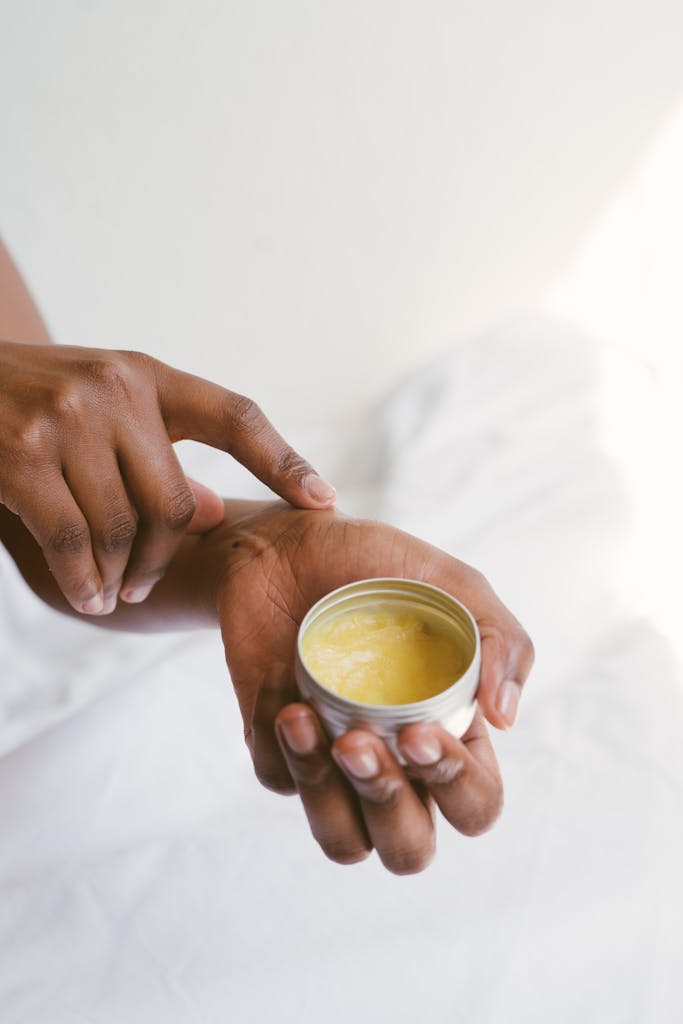
A good hand cream is crucial for any skincare routine, especially for hydrating and repairing dry skin during harsh winters.
The best formulas include nourishing ingredients like shea butter, glycerin, and aloe vera to improve skin health, texture, and provide lasting moisture.
It should also soften the skin with emollients and include soothing ingredients to reduce irritation.
A mix of natural oils and antioxidants helps protect against environmental damage, making the cream suitable for all skin types, including sensitive skin, and ensuring a positive user experience.
1. Hydrating And Moisturizing Properties
The hydrating and moisturizing effects of hand cream are important for keeping skin healthy, especially for those with dry or sensitive skin.
These effects not only provide daily comfort but also protect the skin from environmental factors and seasonal dryness. Ingredients like glycerin help retain moisture, while aloe vera soothes and aids in healing. This is particularly useful during colder months when dry air can worsen conditions like eczema or psoriasis.
Using a well-formulated hand cream regularly can significantly help prevent these issues and keep hands soft and supple throughout the year.
2. Non-greasy Formula
A non-greasy formula is essential in hand creams because it ensures a lightweight application without leaving a heavy residue on the skin.
This formulation allows for smooth application, letting users apply the cream and still engage in daily activities without worrying about slippery hands. These non-greasy textures absorb quickly, providing immediate hydration without stickiness, making them ideal for busy lifestyles.
Consistency testing ensures the cream maintains its lightweight feel in different climates and usage scenarios, promoting regular use. Ultimately, a comfortable and appealing texture enhances user satisfaction, turning daily hand care into a pleasant self-care routine.
3. Absorbs Quickly
Quick absorption is a key feature of an effective hand cream, allowing it to penetrate the skin quickly and improve hydration.
This fast moisture delivery leaves the skin feeling nourished without the greasy feel that heavier creams often leave behind. Active ingredients are important in this process; they hydrate and support skin repair and protection.
Users often prefer products that absorb quickly, as this suits the fast pace of modern life. Whether during a busy workday or between tasks at home, a fast-absorbing hand cream means less waiting and more time enjoying soft, smooth hands.
4. Long-lasting Effects
A quality hand cream offers long-lasting effects, ensuring hydration and skin repair continue all day.
This ongoing nourishment is vital for those whose hands often face harsh conditions like cold weather, dry air, or frequent washing.
Formulas rich in ingredients such as shea butter, glycerin, and essential oils provide immediate relief and improve the cream’s ability to protect and restore skin over time. These benefits help skin heal while maintaining moisture levels.
Users enjoy significant benefits as these creams form a barrier on the skin that locks in moisture, offering lasting relief throughout their busy days.
5. Suitable For Sensitive Skin
A good hand cream should be suitable for sensitive skin, being dermatologically tested to minimize the risk of irritation while providing effective hydration.
This is particularly important for individuals with skin prone to reactions from harsh chemicals or fragrances commonly found in many commercial products. Fragrance-free options are crucial as they significantly reduce the likelihood of allergic reactions and are often gentler on the skin.
Formulations specifically designed for sensitive skin include ingredients known for their soothing properties, such as shea butter and aloe vera, which promote both moisture and overall skin health.
By ensuring these products are dermatologically approved, consumers can confidently choose hand creams that hydrate, protect, and nourish their delicate skin without the worry of adverse effects.
6. Contains SPF
Adding SPF to hand creams offers important UV protection, which helps prevent sun-related skin issues and has anti-aging benefits.
This protection is important because our hands are often exposed to UV rays during everyday activities, which can cause premature aging and skin damage. Research shows that using SPF regularly can significantly lower the risk of hyperpigmentation and help maintain skin elasticity, noticeably improving the appearance of hands.
People who use SPF in their skincare routines often report better skin texture and fewer dark spots. By focusing on UV protection, individuals can improve their hand care routine, slow down the aging process, and keep their hands looking youthful.
What Are The Different Types Of Hand Creams?
Hand creams are available in different types, each designed to target specific skin needs and offer various textures and benefits.
1. Creams
Creams are popular hand products known for their rich texture that deeply hydrates the skin.
These creams are excellent at locking in moisture with their emollient properties, preventing water loss from the skin. This is especially beneficial for individuals with dry skin, as regular use can help restore the skin’s natural lipid barrier.
There are different ways to apply creams, such as gentle massaging to enhance absorption or wearing them under gloves overnight for added hydration. This flexibility makes them ideal for people with skin conditions like eczema or for those in colder climates where skin tends to dry out.
Busy professionals and active individuals may prefer creams for their easy application and long-lasting effects compared to lighter lotions.
2. Lotions
Lotions are light hand creams that absorb quickly, making them ideal for daily use.
They come in different consistencies, from silky to whipped textures, to suit various preferences and skin types. People with oily skin often prefer lighter formulas that don’t clog pores, while those with dry skin can benefit from richer lotions with hydrating ingredients.
Using lotions in your skincare routine can improve skin health and offer a soothing experience after a shower or during the day. With many options available, finding the right lotion can be a pleasant activity, helping you discover formulations that meet your specific needs and sensory preferences.
3. Ointments
Ointments form a protective layer on the skin, making them ideal for repair and long-lasting moisture, especially in harsh conditions.
Their oil-based formulation creates a strong barrier that seals in moisture and prevents water loss, making them effective for treating dry, cracked, or irritated skin.
Ointments are often preferred for skin issues like eczema or psoriasis, where deeper penetration and continuous moisture retention are important.
Their thick consistency means you need only a small amount for targeted application, making them a key part of comprehensive skincare routines.
4. Serums
Serums are a recent addition to hand care, designed with concentrated active ingredients for targeted treatment. Unlike traditional creams, these lightweight formulas absorb quickly and work for various skin types without leaving a greasy feel.
This fast absorption improves comfort and lets the ingredients effectively target issues like dryness, aging, and pigmentation. Many users find that serums can address multiple concerns at once because of their powerful mix of antioxidants, peptides, and hydrators.
By addressing specific skin needs, hand serums help everyone find a product that suits their concerns, leading to healthier and more youthful-looking skin.
5. Balms
Balms have a thick consistency and are designed for deep hydration and soothing effects, making them ideal for very dry or cracked skin.
These products often contain a mix of natural oils, waxes, and butters that work together to create a protective layer on the skin. Ingredients like shea butter, cocoa butter, or beeswax help lock in moisture and can ease symptoms of conditions like eczema and psoriasis.
They are especially useful in harsh weather, offering relief and protection against wind and cold. Suitable for all skin types, balms are often recommended for sensitive skin because of their gentle, nourishing properties.
How To Choose The Right Hand Cream For You?
Selecting the right hand cream requires considering your skin type, personal preferences, and specific skincare needs to ensure proper hydration and skin health.
1. Consider Your Skin Type
Understanding your skin type is essential for selecting the right hand cream, as different formulas are designed for dry, oily, and sensitive skin needs.
Identifying whether you have dry, oily, combination, or sensitive skin is important because each type reacts differently to various ingredients. For example, people with dry skin benefit from rich, emollient creams that provide long-lasting moisture, while those with oily skin should choose lighter, non-comedogenic options that won’t clog pores.
Sensitive skin may need creams with calming ingredients like aloe vera or chamomile to prevent irritation. To determine your skin type, observe how your skin feels throughout the day and consider changes from environmental factors.
By understanding these details, you can choose a hand cream that works best for you.
2. Look For Specific Ingredients
When choosing hand cream, it’s important to find ingredients that meet your skin’s specific needs, such as antioxidants or natural oils.
Antioxidants help neutralize free radicals and protect the skin from environmental damage, keeping hands youthful and resilient. Natural oils like jojoba and almond oil provide deep hydration and support the skin’s natural barrier.
Emollients soften and smooth the skin, making them ideal for combating dryness or rough texture. To choose the best product, check ingredient labels to ensure the cream not only feels good but also effectively nourishes and protects your skin.
3. Consider Your Daily Activities
Think about your daily activities when selecting a hand cream, as this can determine the best formulation for your needs.
If you work in an office, you might prefer a lightweight, non-greasy cream that absorbs quickly, so you can type without leaving residue on your hands.
On the other hand, if you spend time outdoors or work with your hands, you might need a richer, more hydrating cream to combat dryness and protect against environmental conditions.
In these cases, creams with protective ingredients like shea butter or natural oils can be particularly helpful.
Choosing a hand cream based on your daily routine helps ensure your hands stay nourished and comfortable throughout different activities.
4. Check For Any Allergies
When choosing a hand cream, it’s important to check for allergies to avoid skin irritation and ensure safety.
Many people unknowingly use products with common allergens like fragrance, dyes, and preservatives, which can cause allergic reactions, especially in those with sensitive skin or conditions like eczema.
To keep your skin healthy, choose dermatologically tested hand creams, as they have been carefully evaluated for safety and effectiveness. Opt for fragrance-free formulations to avoid irritation from synthetic scents or allergens, ensuring hydration without risk.
This careful approach to hand care is key to maintaining skin health and comfort.
How To Use Hand Cream Properly?
Applying hand cream correctly is important for getting the most benefits, helping the skin stay hydrated for better health and appearance.
1. Clean Your Hands
Before applying hand cream, make sure your hands are clean to ensure the cream is absorbed effectively and to maintain skin health.
This step prevents dirt, bacteria, and impurities from interfering with the cream’s absorption. Clean hands also allow the cream to penetrate the skin more deeply.
Thorough washing removes natural oils and residues that can block absorption, enabling the nourishing ingredients in the cream to work better.
Taking a moment for proper hand hygiene enhances the treatment’s effectiveness, leading to softer, more hydrated skin. Clean hands feel better and show a commitment to personal care.
2. Apply A Small Amount
Using a small amount of hand cream is usually enough to hydrate your skin without making it greasy.
This prevents uncomfortable residue and allows the skin to absorb the cream effectively, keeping it soft and supple. You can adjust the amount of cream based on how dry your hands feel.
For example, if your hands are very dry from harsh conditions, you can apply more cream to restore moisture.
On days when your hands feel well-hydrated, a small amount will maintain softness without a heavy or sticky feel.
3. Massage Into Skin
Rubbing the hand cream into the skin helps it absorb better and enhances the benefits of the ingredients.
This method ensures the cream penetrates deeply and turns a daily routine into a sensory experience. Using gentle, circular motions can stimulate blood flow and improve circulation in the hands.
Taking time to thoroughly rub in the cream not only ensures even application but also adds a sense of luxury and self-care.
The warmth from the massage promotes relaxation, helping the user unwind while nourishing the skin. This practice can lead to softer and more flexible skin, making every touch feel pleasant and refreshing.
4. Reapply As Needed
Applying hand cream regularly during the day is important to keep skin hydrated and protect its barrier.
This is especially critical after activities that reduce skin moisture, such as washing hands, using sanitizer, or being outside in harsh weather. Consider your environment: in colder climates, more frequent application might be needed compared to humid areas.
Similarly, those who work with their hands or frequently wash them should reapply after each wash.
Monitor your skin’s hydration levels; if it feels tight or looks dry, it’s a clear sign to apply more cream for optimal skin health.